
Written Collection by The Cultivated Intuit

A Little More Sky…
After a lifetime of city living, three years in the rural Alberta quietly changed what I value—less noise, less rushing, more stillness, and a whole lot more sky.

Expectations: The Silent Architects of Our Happiness
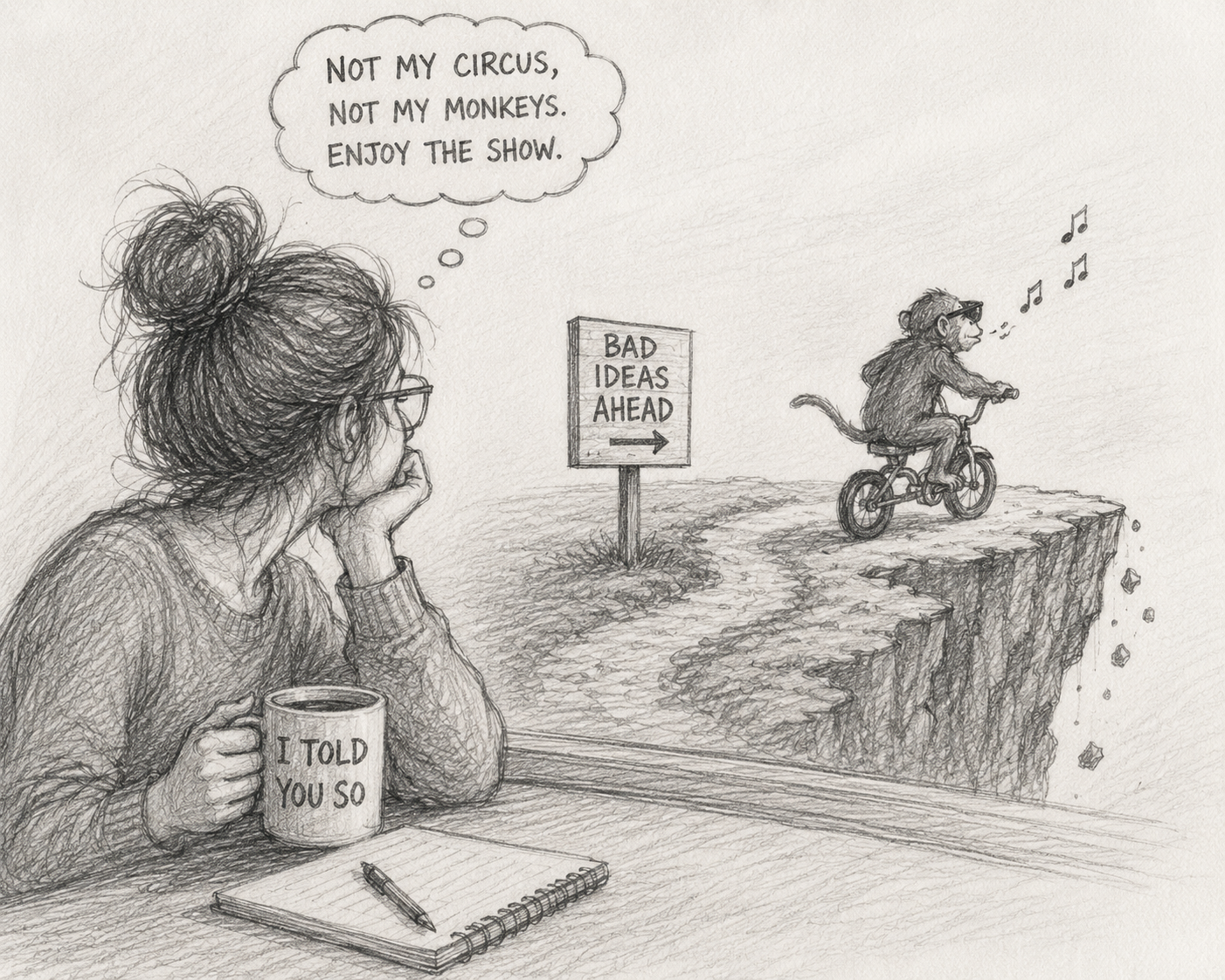
I used to believe expectations were simply part of loving, planning and hoping for a good life. But after years of expecting people, relationships and circumstances to unfold the way I thought they should, I began to wonder: were my expectations protecting my happiness—or quietly designing my disappointment?
We Don’t Realize What We Have Until It’s Gone: How Losing Everything Changed My Understanding of Life
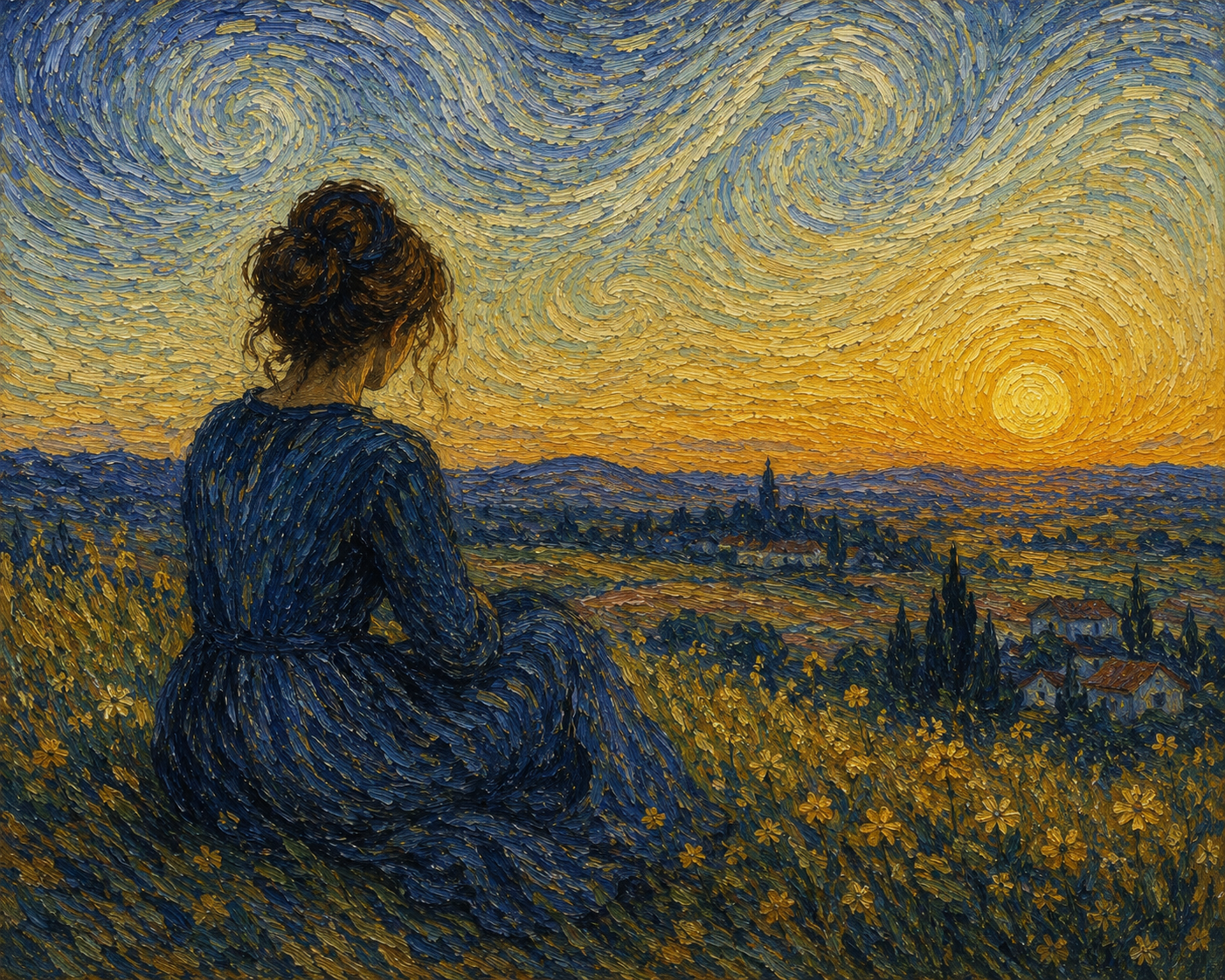
I lost my marriage, my family structure, my home, and the life I once believed was secure. What followed was not simply heartbreak, but the unraveling of identity itself. This is a deeply personal reflection on grief, survival, self-actualization, and the painful wisdom that comes from realizing too late how sacred ordinary things truly are.
Why Betrayal Feels Physical
Sometimes betrayal does not arrive as a single moment. Sometimes it settles slowly into the body — tightening the chest, exhausting the mind, disrupting sleep, and leaving the nervous system searching endlessly for safety. This reflection explores why heartbreak, deception, emotional inconsistency, and loss can feel physically consuming, and how healing often begins not by denying the pain, but by finally understanding what the body has been trying to say all along


We Are More Than This Existence
Beneath the identity we build, the roles we carry, and the stories we attach to ourselves, there exists something far quieter and infinitely more beautiful — a living field of energy connected to everything around us. Perhaps we were never meant to become more, but instead to remember what we already are: light, consciousness, and connection experiencing itself through human form.
The Alchemy of Loss: Finding Your True Self in the Shadows
Loss has a way of stripping life down to its barest truths. It dismantles identities, expectations, relationships, and versions of ourselves we thought would last forever. But somewhere within the ache, something unexpected begins to emerge — not who we were before, but someone deeper, quieter, and more honest. Sometimes the darkest seasons of life are not the end of us at all, but the place where transformation quietly begins.

The Relationships We Learn Before We Ever Date
Long before we ever understand love, relationships, or emotional connection, we are quietly learning what they feel like through the people who raise us. The way we are comforted, spoken to, understood, or emotionally responded to in childhood often becomes the blueprint for the relationships we unconsciously seek in adulthood.

Good Days Deserve Replay Too
Life is full of good moments we barely pause long enough to notice. Stuck on replay is a lighthearted look at why our brains cling to the negative — and why learning to consciously remember the beautiful little moments might change the way we experience life altogether
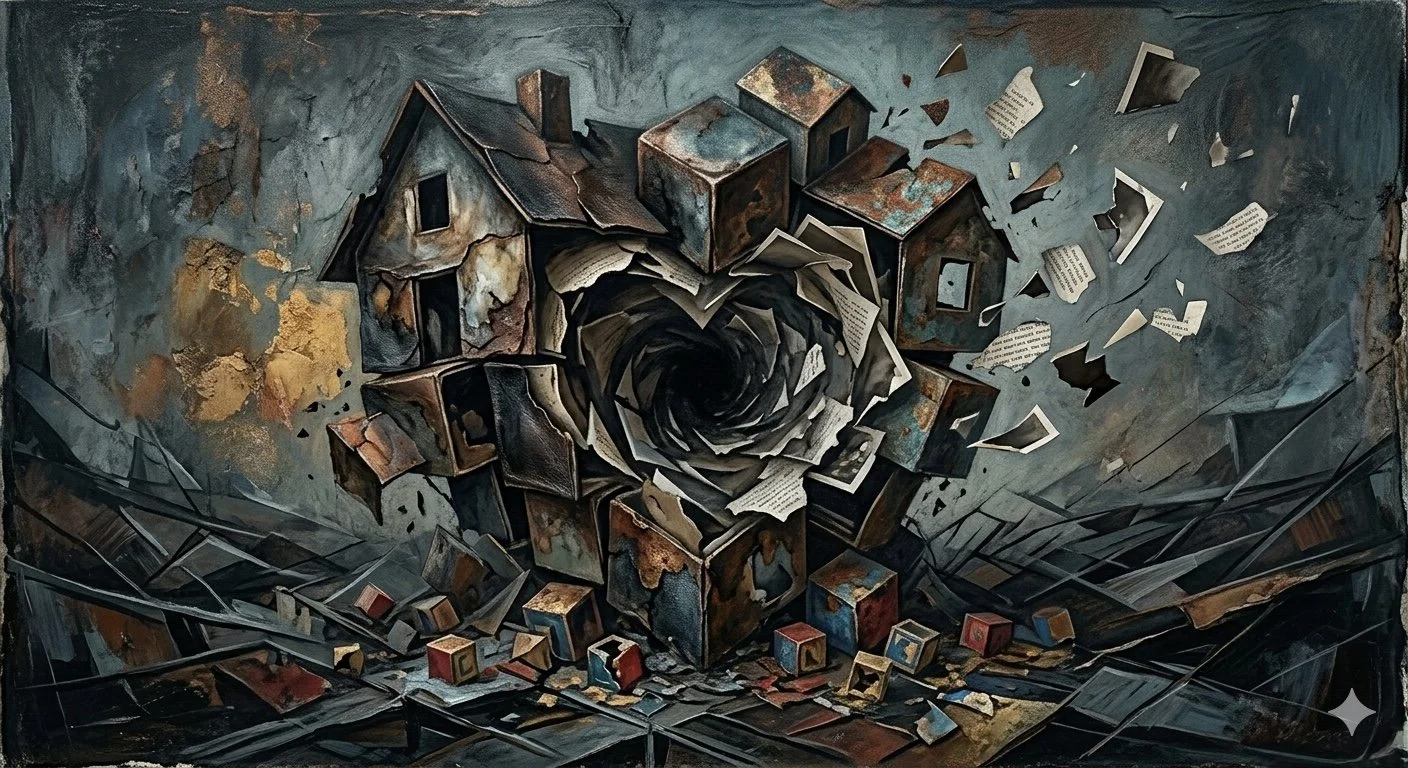
The Architecture of the Soul: When Loss of Family and Security Becomes Your Foundation
The Architecture of the Soul is not built during times of ease; it is constructed in the aftermath of a "foundational collapse." When the twin pillars of family and security are removed, we are often left standing in a landscape that feels unrecognizable.
However, this void is where true transformation begins. Using the framework of Post-Traumatic Growth, we can view this loss as a "hard reset" that strips away the non-essential. Without the expectations of a family lineage or the comfort of a steady safety net, the ego is forced to surrender. What remains is the bedrock—the raw, authentic self.
In this state of "resource loss," a new type of internal structure begins to rise. It is built on Radical Agency, where you become your own primary source of strength, and Chosen Connection, where relationships are formed by shared values rather than biological obligation. This new architecture is more resilient than the first because it was designed by your own hands, tempered by fire, and held together by a profound sense of gratitude for the simple fact of your own survival.
You learn that while a home can be taken, the "home" you have built within your own spirit is indestructible.
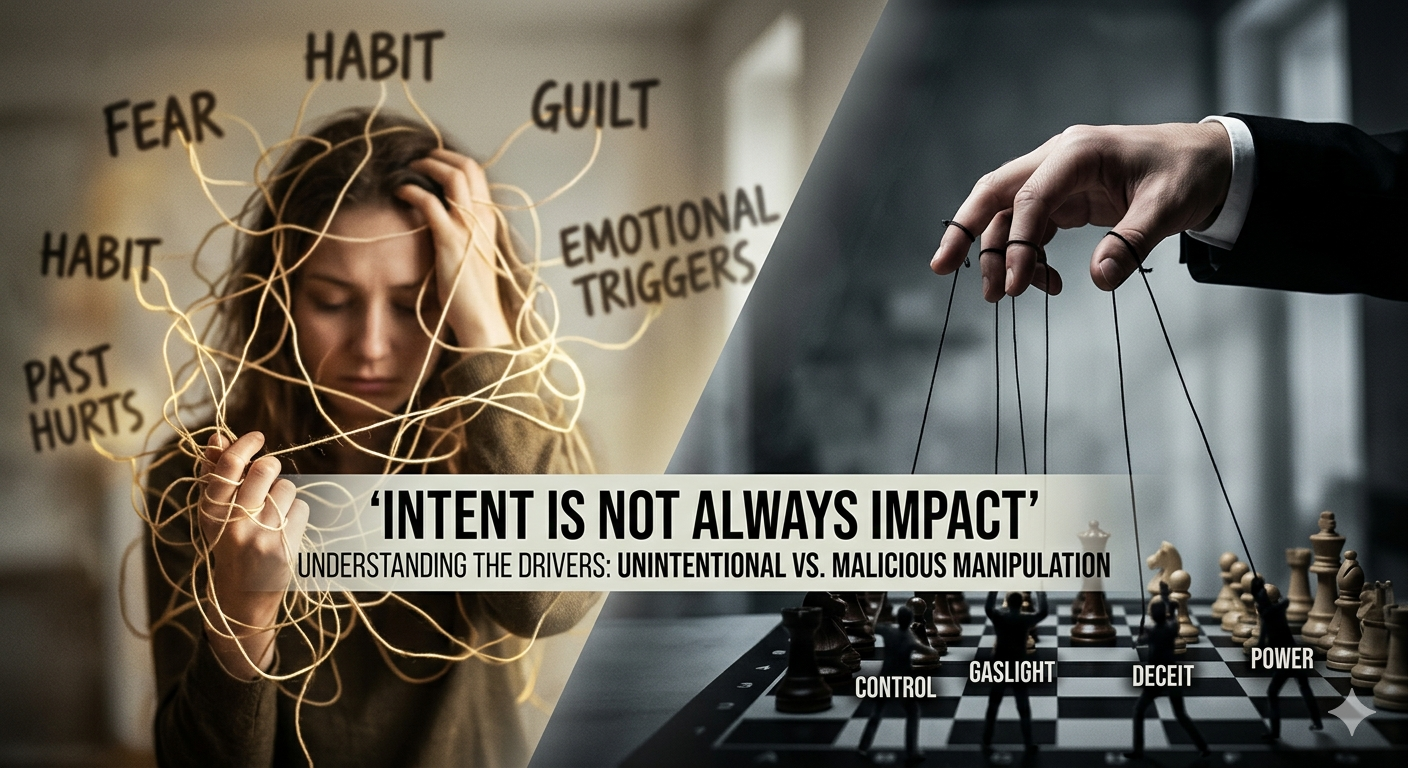
Can Someone Be Manipulative Without Meaning To?
Most people think manipulation is always intentional—something calculated, deliberate, even malicious. That’s not entirely accurate. Someone can behave in ways that feel manipulative—creating guilt, pressure, or emotional responsibility—without actively trying to control you. At the same time, there are people who are intentional about it. The distinction matters, because it changes how you interpret the behaviour—but it doesn’t change the need for boundaries.
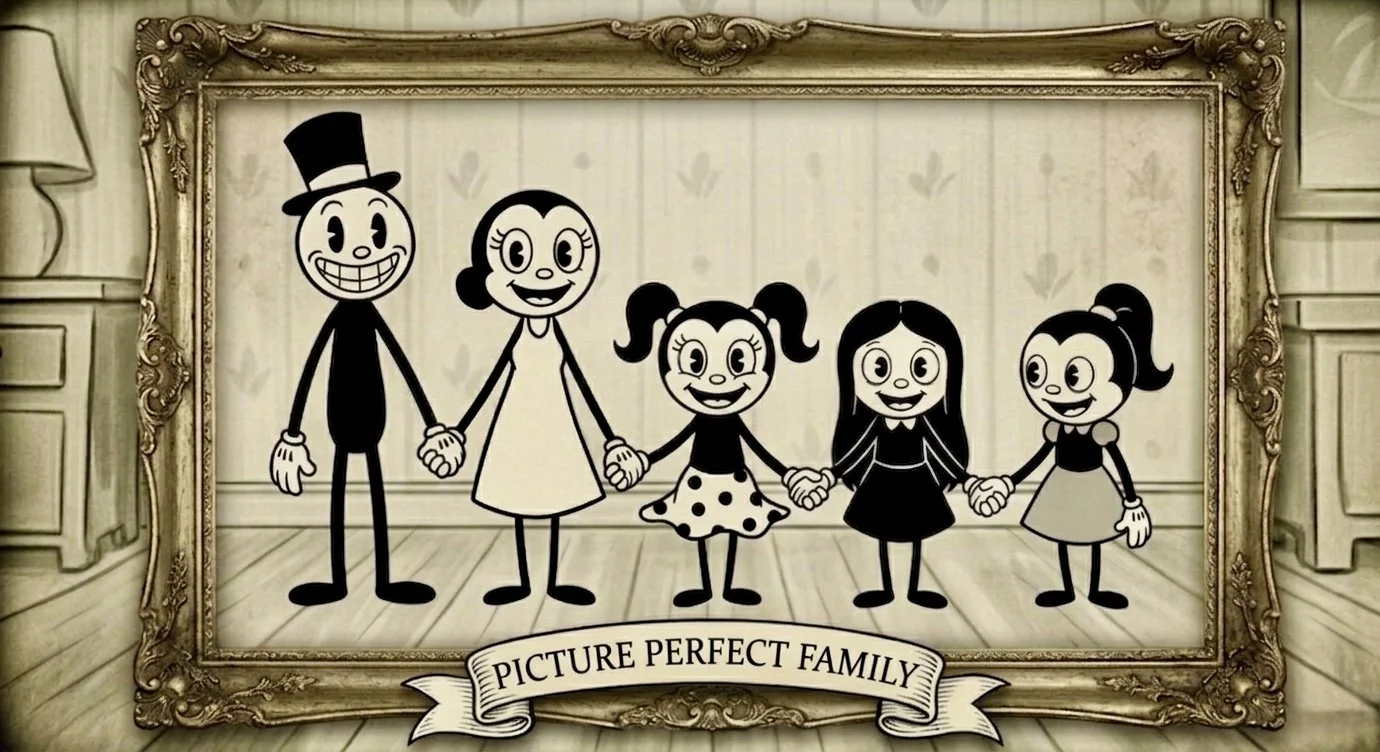
The Struggle is Real — How Pain Can Shape Family Dynamics — A Full Circle Moment
Everybody hopes for a picture-perfect family, but when it doesn’t happen, it can feel like a personal failure. Yet even after pain and brokenness, families can find ways to come back together in new forms. Every family has unseen dynamics, struggles, and stories—but love and connection can survive, reshape, and create a blended whole that’s far from perfect, yet real.
By facing the pain with awareness and choosing to make small changes, families can transform old wounds into understanding, forgiveness, and a sense of peace that strengthens bonds and creates new connections that last. After all, life is what you make it.

The Most Important Thing You Will Ever Teach Your Children
Too often, children grow up believing that silence is safer than speaking their needs. But unspoken needs don’t get met—they get misunderstood. The most important lesson a parent can teach is this: give your children permission to express themselves clearly, calmly, and honestly. When they learn to say what they need, listen to the response, and choose themselves with integrity, they gain a skill that shapes every relationship and every choice they will ever make.
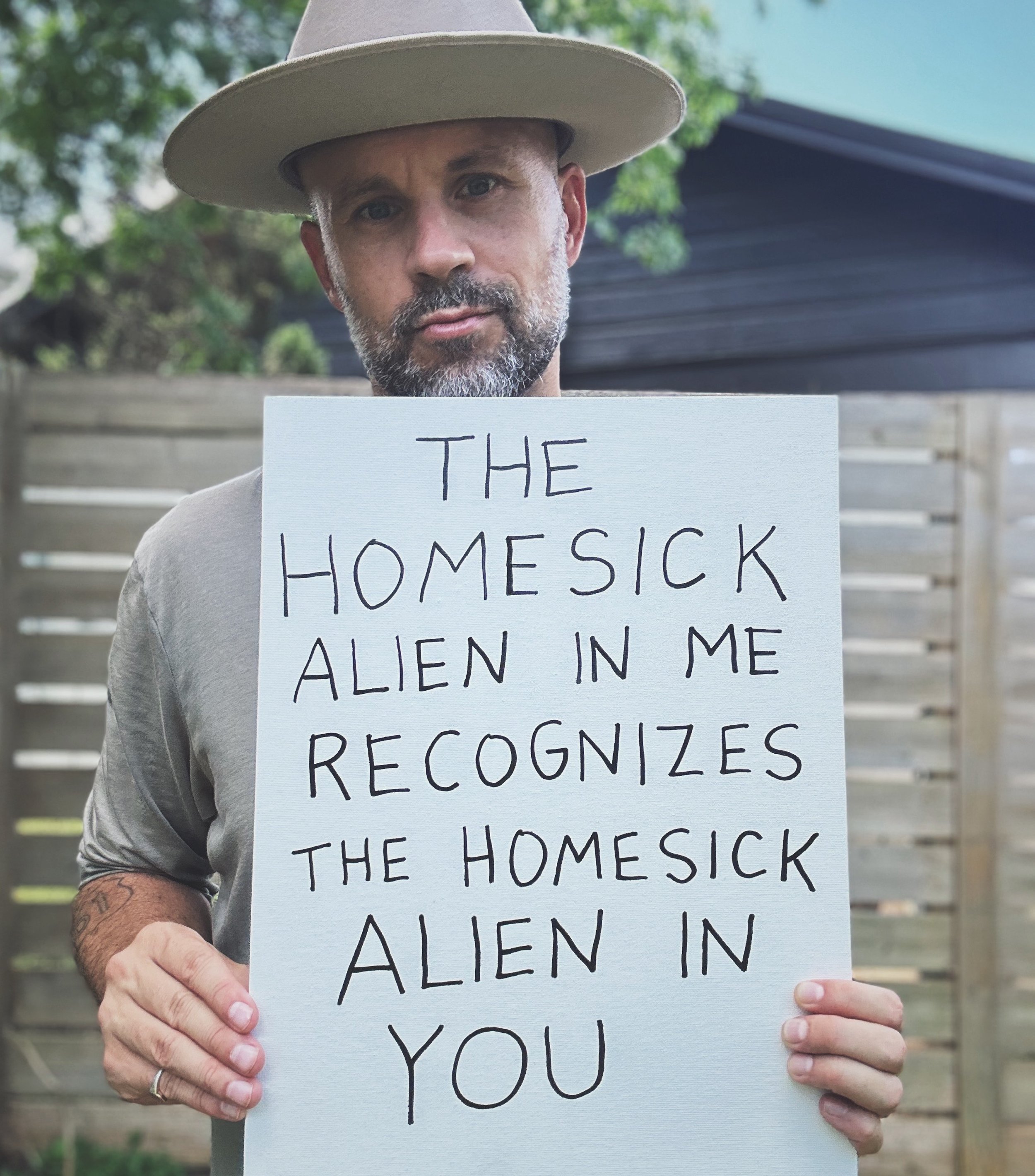


Metacognition: Thinking About Thinking
Metacognition is the ability to think about your own thinking. It is the pause between a reaction and a response. Instead of automatically believing every thought, you examine it: Where did this come from? Is it accurate? What is influencing it right now?
That small layer of awareness changes everything. It turns emotion into information, mistakes into data, and impulse into choice. The moment you observe your thinking, you are no longer controlled by it — you are directing it.

It Will Be Okay — Even When It Doesn’t Feel Like It
Through childhood trauma, poverty, substance abuse, postpartum depression and psychosis, wealth, betrayal, divorce, separation from my children, complete isolation to putting my nursing license on the line, and the death of many loved ones (young and old)- I have experienced it all.
I have learned more than I ever thought was possible thus far in my life. But through it all, I have learned that everything will be okay. No matter what, no matter the depth of pain or struggle, it always has a way of turning right side up- I think that is why I am unable to stay in such grief; because of this knowledge I earned resiliency.
Never give up!

Finding Your Niche—and Letting It Explode Within You
Finding your niche unfolded quietly, through repetition and return. Through the things my hands reached for without thinking. Through rhythms that steadied me when everything else felt unanchored.
Wood taught patience—how grain resists force and rewards attention. Music offered harmony, not as perfection, but as resonance. Gardening revealed timing and trust, reminding me that growth happens in its own season. And love—enduring, imperfect, hard-won—showed me that meaning often lives in what lasts, not what begins easily.
These threads were never separate. They formed a pattern I could feel long before I could name it. A constellation of signals pointing inward, asking for listening rather than choosing.
Your niche awaits recognition; let’s walk and talk together about what steadies you…