Written Collection by The Cultivated Intuit

Human Regard & Karma
Karma isn’t mystical—it’s relational. It forms in moments of respect or neglect, presence or avoidance. Human regard is the point where intention meets consequence, where how we treat others becomes the blueprint for what follows us forward. Nothing is neutral. Everything counts.


Emotionally Connected Children: Why Their Sensitivity Is a Strength, Not a Struggle
A child who feels deeply is a child who sees clearly. Their emotional awareness is a strength that will guide them for life.
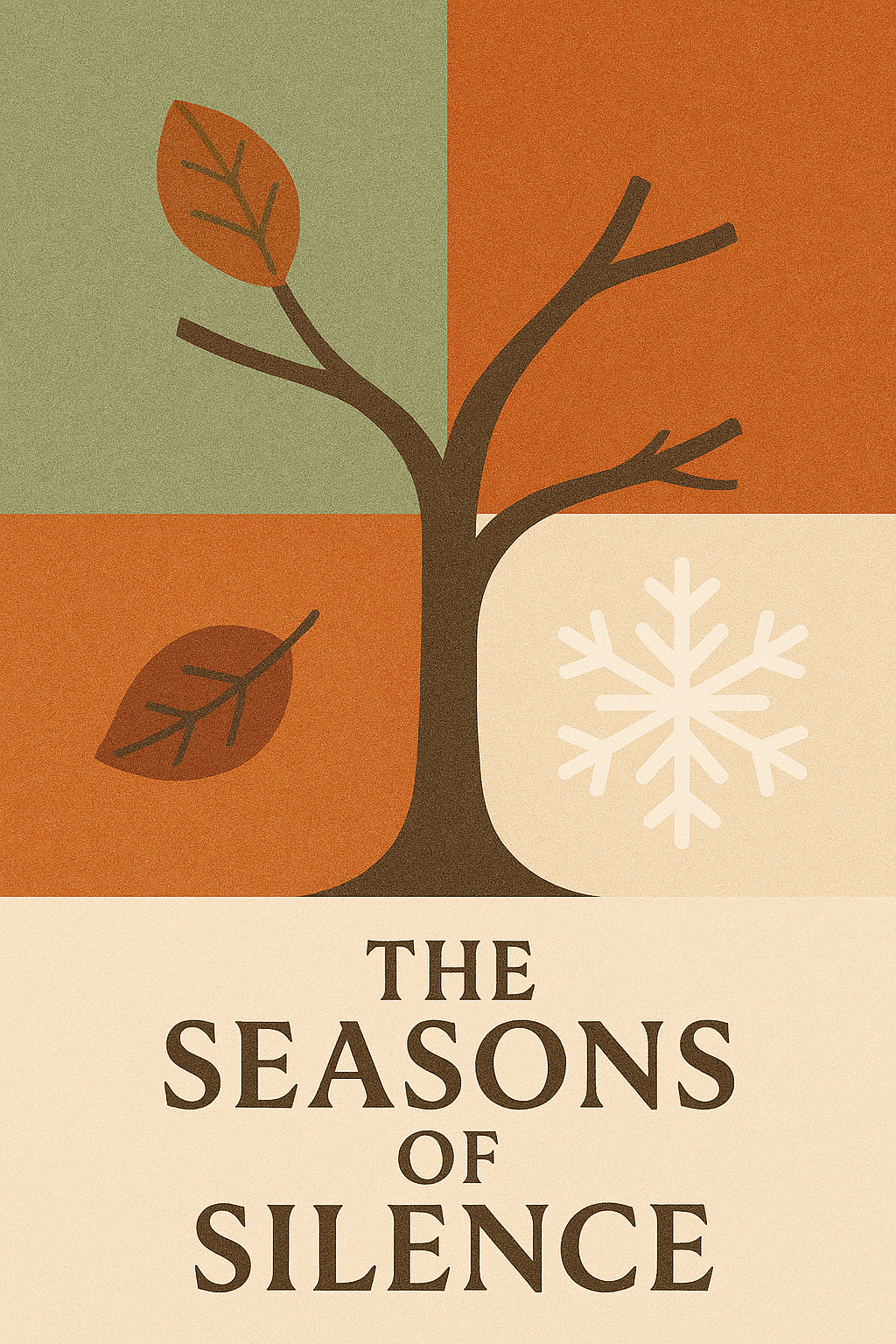
Seasons of Silence: Rebuilding Relationships After Communication Breaks Down
Every relationship experiences cycles—periods of bloom, stillness, decay, and regrowth. The Seasons of Silence explores the quiet spaces that follow emotional distance, misunderstanding, or pain. Rather than treating silence as failure, it reframes it as a natural, if uncomfortable, part of human connection—a winter that prepares the heart for spring.
The piece examines how unspoken tension can either erode trust or nurture reflection, depending on how it’s held. Through humility, curiosity, and consistency, silence becomes a teacher—revealing the difference between avoidance and peace, isolation and introspection.
It’s an invitation to see distance not as the end of love’s story, but as a season within it.

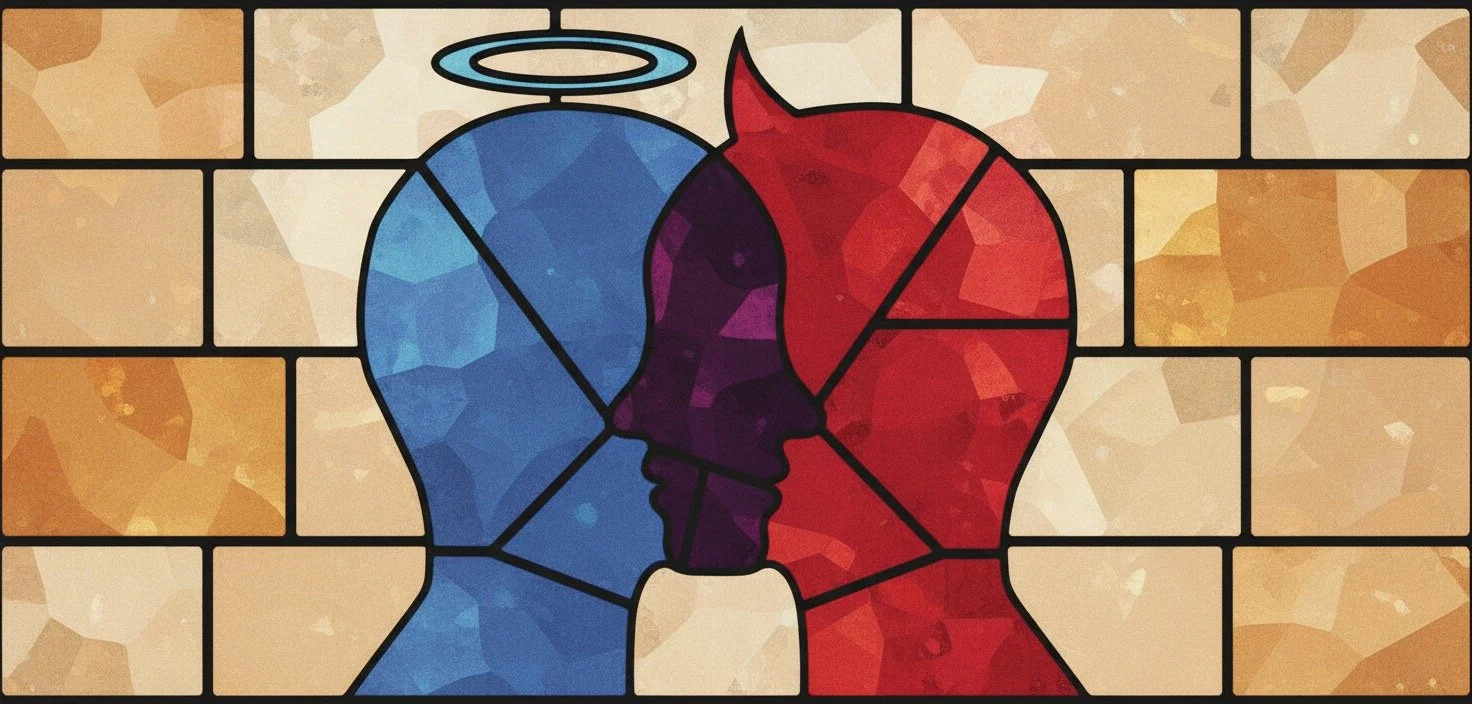

Preparing the Heart 2.0: Intuition as Our Inner Compass with Him in mind
Illustration by Sophie
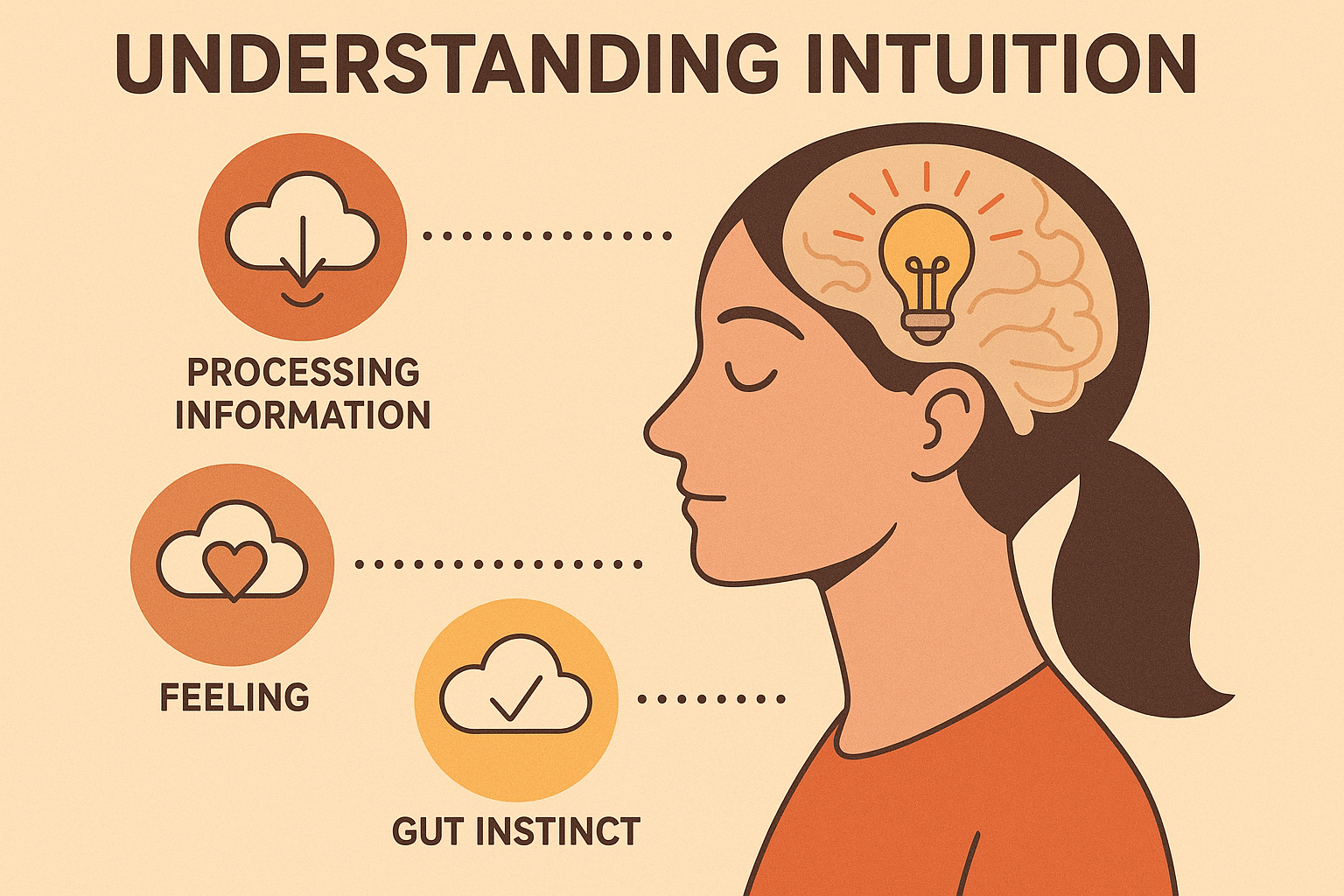
Understanding Intuition
Intuition isn’t magic—it’s the quiet knowing beneath the noise. It speaks in nudges, in that small pull toward or away from something before your mind can explain why. Most people mistake it for coincidence or emotion, but intuition is older than both. It’s the soul’s way of guiding you through logic’s blind spots. When you learn to recognize its voice—steady, calm, certain—you stop chasing answers and start remembering them.

I Trust in God
Pain and grief are heavy emotions to carry alone. There comes a point where holding it all together becomes unmanageable than the breaking itself. That’s where trust begins—not in certainty, but in surrender. I’ve learned that trusting God isn’t about pretending everything’s fine; it’s about opening my hands and admitting I can’t carry it all. In that release, something shifts. Peace doesn’t rush in like a flood—it settles, quietly, where striving used to live.

Learning to Lean
There’s a sacredness in letting someone steady you. In admitting, “I can’t hold all of this today,” and watching a friend quietly step closer. Leaning isn’t losing your footing; it’s trusting that love will catch you before you fall.
Maybe real strength isn’t about how long we can stand alone, but how honestly we can lean together.
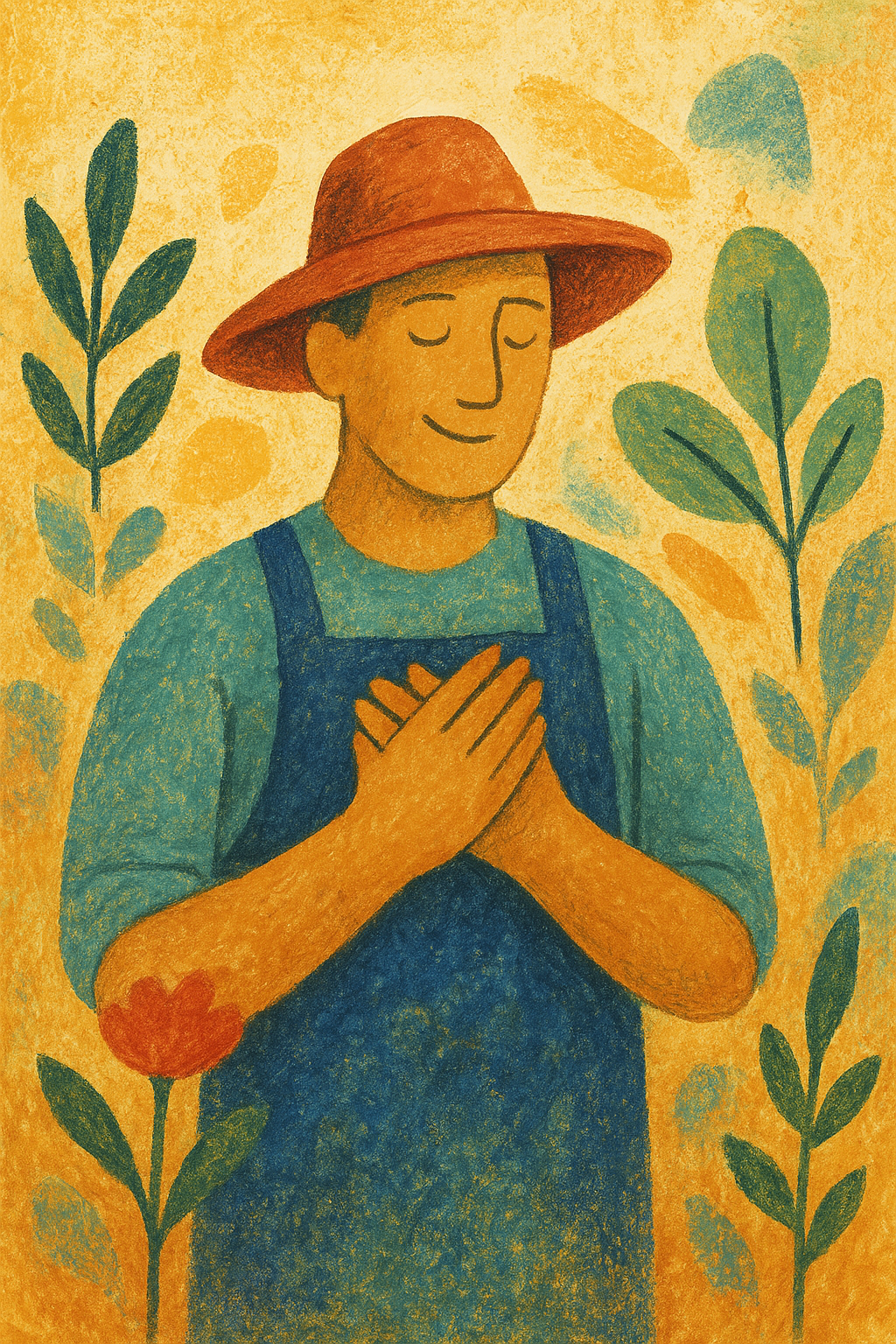
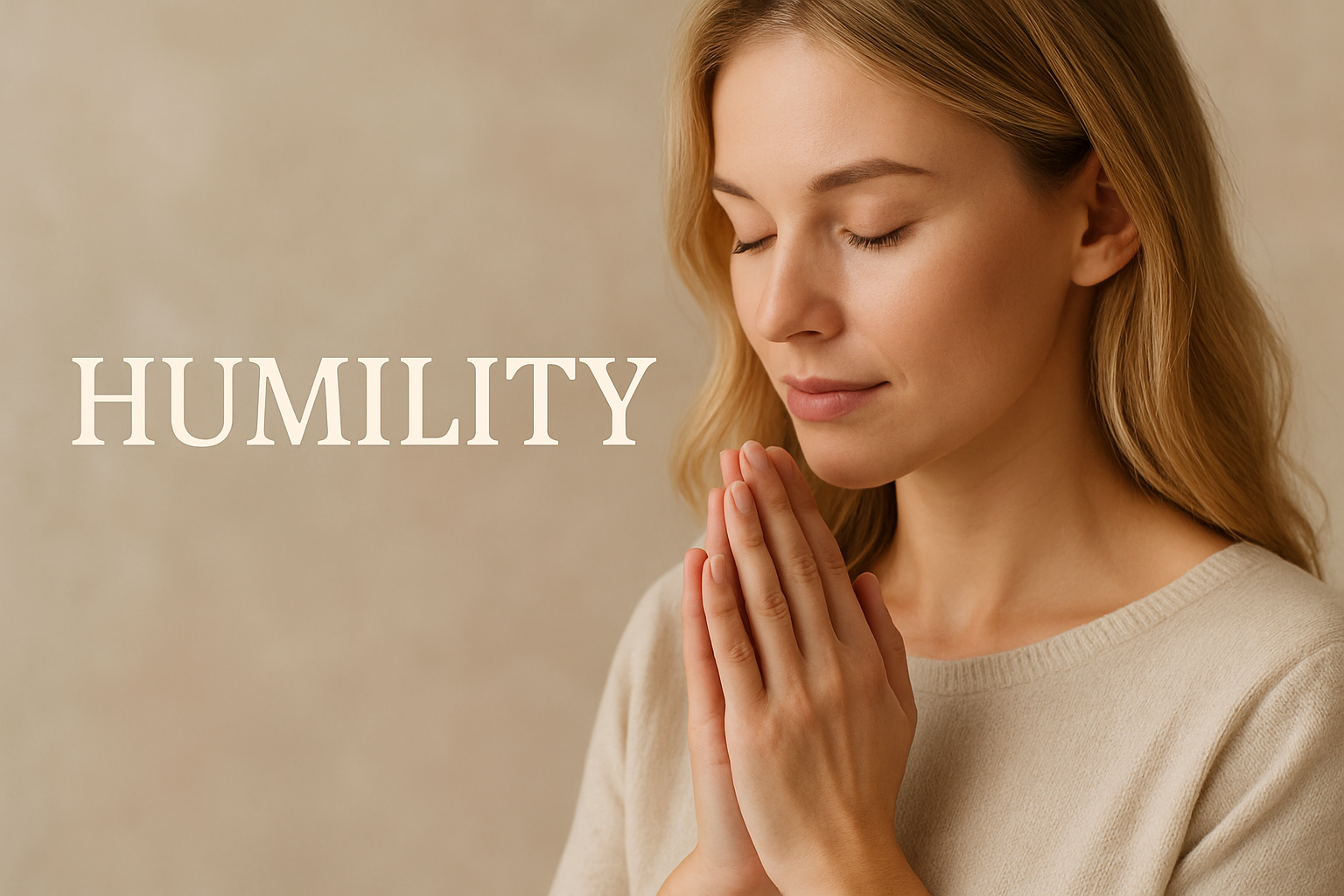
Humility Is A Virtue
What Is Humility?
Humility is often mistaken for weakness, passivity, or the act of downplaying who we are. But in truth, humility is none of these things. Humility is strength wrapped in gentleness. It is the quiet knowing of our worth, balanced with the understanding that every other person carries worth too.
To be humble does not mean to think less of ourselves; it means to see ourselves clearly. It’s the ability to recognize our gifts without arrogance, to admit our limitations without shame, and to move through life with respect for the stories and experiences of others.
Humility is a grounding force. It allows us to step back from ego, to listen deeply, and to connect authentically. It frees us from the exhausting need to prove ourselves, because it roots us in something far greater than validation—truth, wisdom, and grace.
At its heart, humility is not about lowering ourselves; it’s about lifting others up while walking beside them.
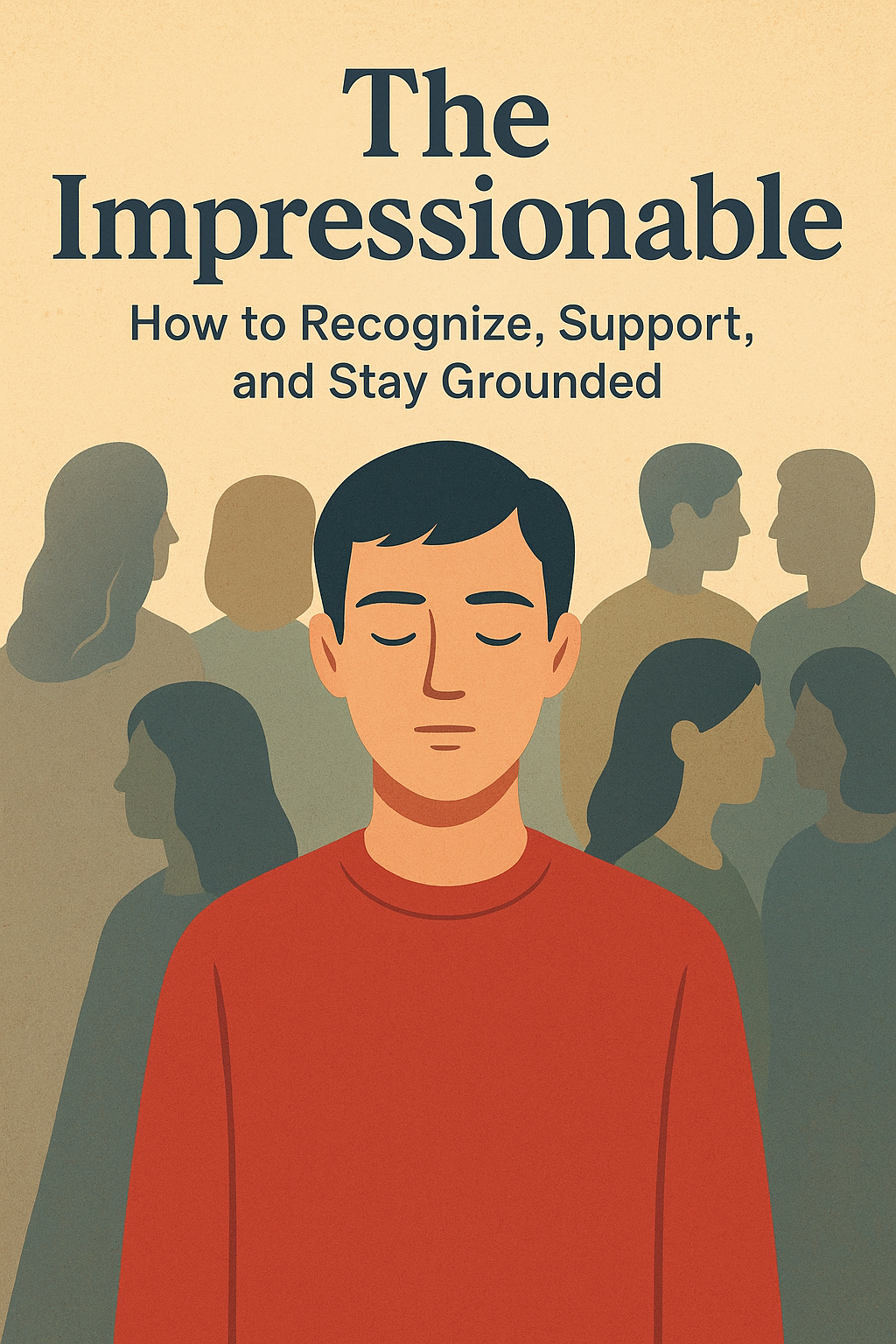
Understanding The Impressionable: Helping Others Find Their Inner Compass
Some people move through the world with deeply rooted convictions — a compass that points them toward decisions they believe in, even under pressure. Others, whom I call The Impressionable, navigate life differently. They adapt quickly to the people, opinions, and emotions around them, often without realizing just how much their environment shapes them.
This adaptability can be both a strength and a vulnerability. Left unchecked, it can lead them away from their own values and toward paths they never truly chose. But The Impressionable aren’t to be feared — they’re to be understood. With awareness, clear boundaries, and guidance, they can grow into the kind of inner strength that benefits not only themselves but the world around them.
The truth is, every one of us is impressionable in certain seasons of life. We’ve all been shaped by the voices, influences, and experiences around us. The difference lies in whether we stay untethered or learn to anchor ourselves in values we’ve chosen with intention.
The Impressionable aren’t weak — they’re simply in the process of finding their footing. By offering understanding instead of judgment, and modelling strength instead of control, we can help them discover their own compass.
And for those who feel uneasy around them, remember: your role isn’t to harden their shell, but to strengthen your own roots — so you can stand grounded no matter which way the winds of influence blow.

When Someone Shows You Who They Are: Recognizing Emotional Erosion in a Partner
Sometimes the erosion is so slow, they don’t notice it. They still smile, still function, still say ‘I’m fine’ when asked. But underneath, pieces of them are fading. Emotional erosion doesn’t always look like collapse — it looks like quiet compliance, forced cheer, or chronic exhaustion passed off as ‘normal.’ The danger is in how unnoticed it goes — how they convince themselves this is just life. But deep down, the soul knows. It whispers in the tension, in the irritability, in the disconnect. And if ignored long enough, it stops whispering and starts shutting down.

Preparing the Heart: Intuition as Our Inner Compass
Preparing your heart for change isn’t about perfection—it’s about permission. Permission to feel, to grieve, to hope, and to grow. When we begin to untangle from old patterns and open ourselves to new beginnings, the heart becomes both tender and powerful. This is not easy work. It asks for honesty, compassion, and a willingness to sit with discomfort. But in doing so, we clear space for clarity, healing, and the kind of love that flows from deep within rather than from fear or survival. This is where transformation begins.

Navigating the World with Deep Sensitivity and Inner Knowing
In a world that rewards noise and logic, highly intuitive empaths live by a different rhythm — one of deep feeling, silent truth, and unseen wisdom. They are emotional translators and energetic mirrors, picking up what others miss and carrying what others can’t see. To be this sensitive is not a flaw, but a gift — a profound strength rooted in awareness, compassion, and inner knowing. This article explores what it means to move through life as a highly intuitive empath — the blessings, the burdens, and the powerful ways to protect and channel your light in a world that often misunderstands your depth
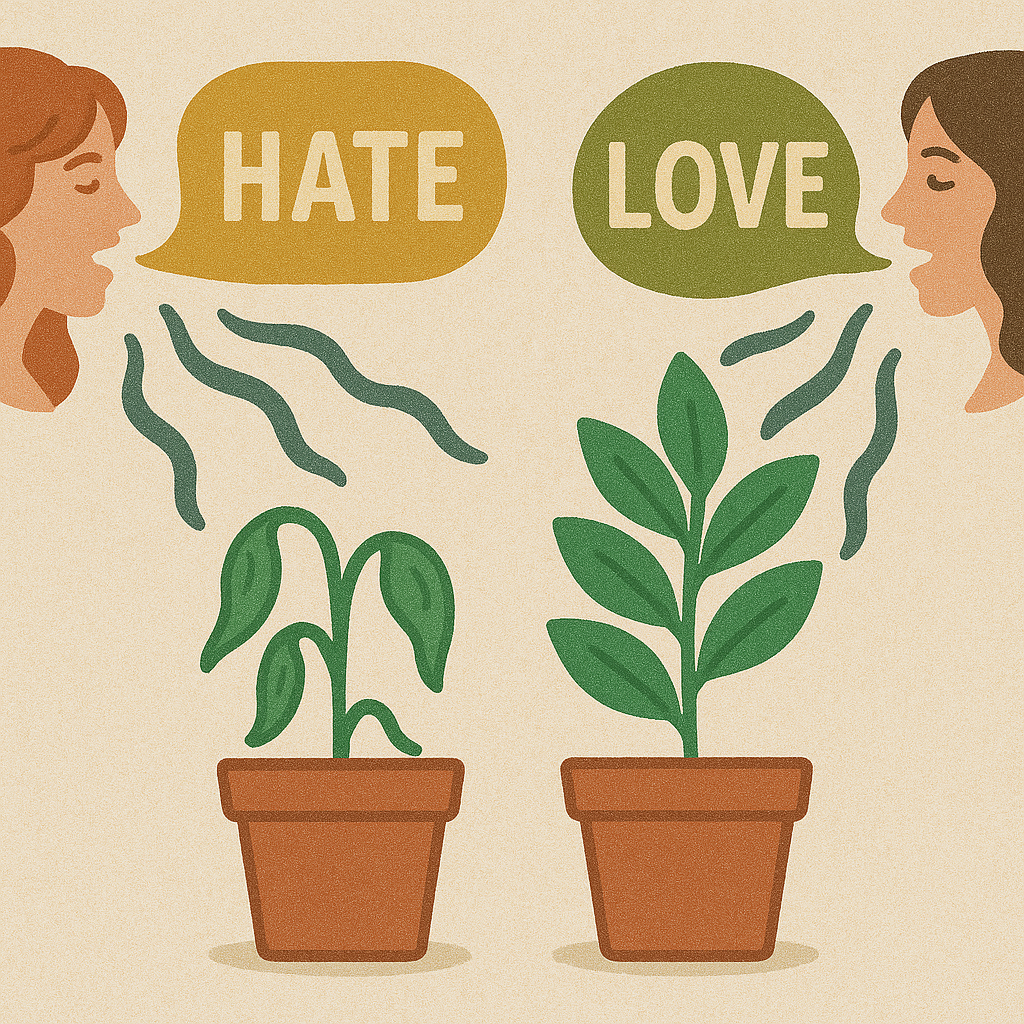
The Hidden Power of Words
Vibrational energy is everywhere; it surrounds us daily. I am choosing positive energy; clearing away the negative, to support my healing.