
Living Beside the Bet
Before we talk about gambling, we need to talk about our phones.
The average person checks their phone 150 times a day, sometimes less sometimes more. We wake up beside it. We eat with it. We work with it. We drive with it. We fall asleep with it resting inches from our faces.
For many people, the smartphone has become the most influential object in their lives.
It connects us to family, work, entertainment, news, shopping, social media, banking, dating, and increasingly, gambling.
Never before in human history has an entire generation carried a device specifically designed to capture and maintain attention.
Every notification.
Every vibration.
Every flashing icon.
Every reward.
These systems are not accidental. They are carefully engineered to keep us engaged for as long as possible.
What began as a communication tool has evolved into a digital ecosystem competing for our attention every waking moment of the day.
The effects are already visible.
Attention spans are shrinking.
Anxiety rates are rising.
Sleep quality is declining.
Face-to-face interactions are becoming less common.
Many people report feeling more connected than ever, while simultaneously feeling more isolated than ever before.
Children are growing up with screens in their hands before they can read.
Teenagers are navigating a world where validation arrives through notifications.
Adults increasingly find themselves scrolling, swiping, clicking, and refreshing without even realizing they are doing it.
The next generation may become the first in history to spend more time interacting with a screen than with the natural world.
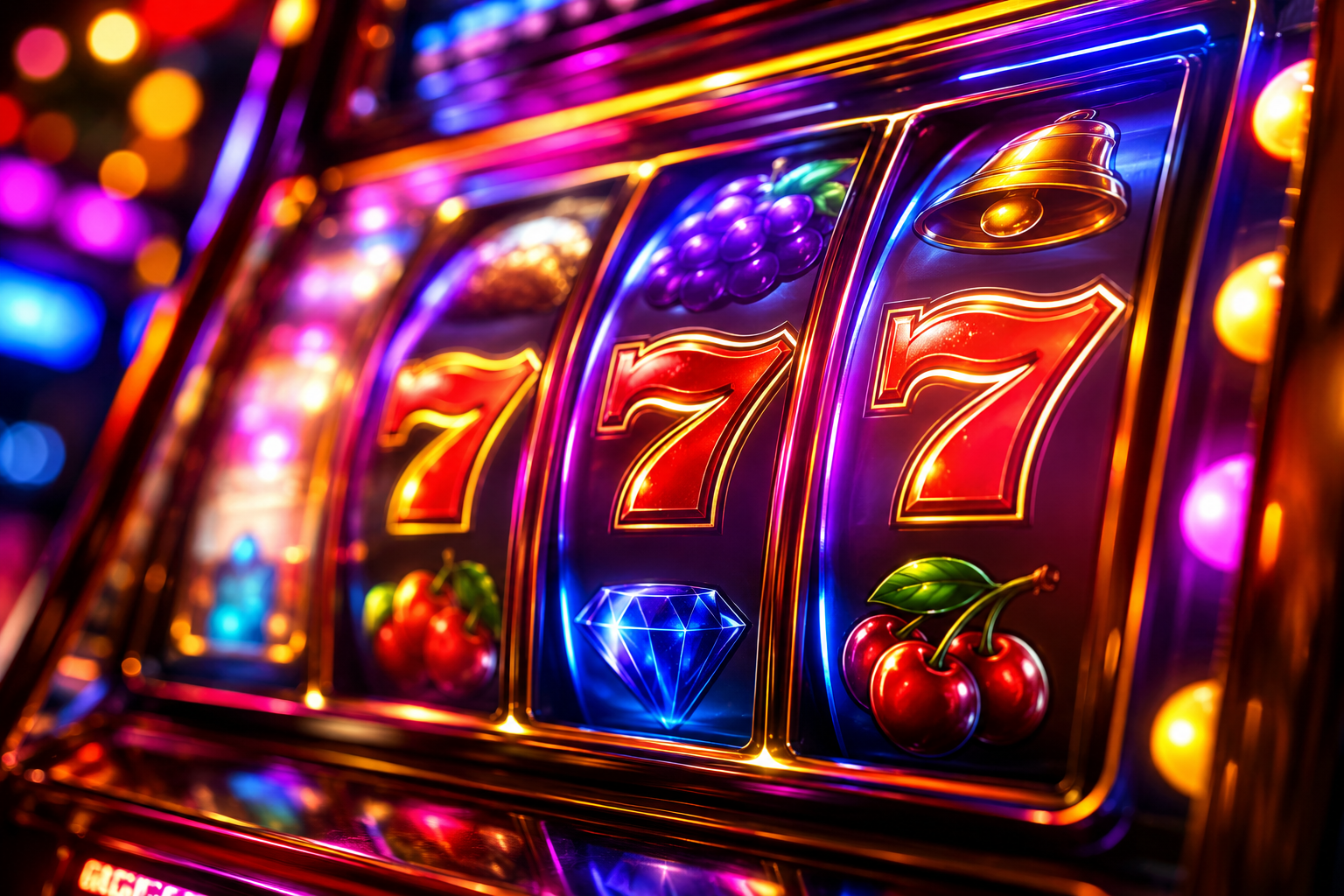
And hidden among the countless apps competing for attention is one of the most dangerous forms of digital entertainment ever created.
The online casino.
Unlike traditional casinos, online gambling does not require a road trip, a hotel room, or even the courage to walk through a casino door.
It requires only a phone.
A device already sitting in your pocket.
A casino that follows you to work.
A casino that follows you into your bedroom.
A casino that follows you into your relationships.
A casino that never closes.
A casino that never sleeps.
And for many families, including mine, the consequences extend far beyond money.
Most articles about gambling addiction focus on the person placing the bet.
Few talk about the people living beside it.
When I moved in, I didn’t know gambling had already become part of his life. It wasn’t disclosed as a problem. It wasn’t presented as a concern. Like many addictions, it lived quietly in the background where it could be minimized, explained away, or hidden altogether.
There were no flashing warning signs.
No dramatic confessions.
No obvious indication that a silent drain had already begun affecting finances, priorities, and trust.
By the time I understood the extent of it, I was already financially and emotionally invested in our life together.
What followed was nearly two years of watching money disappear into a machine that always promised more than it delivered.
Every penny I earned seemed to have a purpose. There were bills to pay. Groceries to buy. A household to maintain. Responsibilities involving not only ourselves but also my partner’s son and a friend who was staying with us as well.
I believed we were building stability.
What I didn’t realize was that while I was trying to build a future, gambling was quietly digging holes beneath it.
Living with a gambling addiction affects more than bank accounts.
It changes conversations.
It changes trust.
It changes how safe you feel.
You begin wondering where the money went. Why the bills are tighter than they should be. Why there is always another explanation, another promise, another reason things will be different next time.
And there is always a next time.
That may be the most powerful feature of gambling.
It never truly ends.
The next spin.
The next hand.
The next free bonus.
The next opportunity to win it all back.
I heard those words repeatedly.
“I can win it back.”
At first, they sounded hopeful.
Eventually, they sounded tragic.
Because the statement contains the very trap that keeps people gambling.
The belief that recovery is one more bet away.
The belief that the solution to the loss is the same thing that caused it.
Over time, I found myself curious.
Not because I wanted to become a gambler, but because I wanted to understand.
I wanted to know what was so powerful that it could repeatedly pull someone away from reason, responsibility, and reality.
So I tried it.
And for a moment, I understood.
The anticipation.
The rush.
The flashing possibility that this spin might be the one.
The feeling that perhaps luck had finally arrived.
I could immediately see why people become trapped.
The addiction isn’t just about money.
It is about hope.
Manufactured hope.
Purchased hope.
A carefully designed illusion that convinces you the answer is just one click away.
But the machine is not selling success.
It is selling possibility.
There is a difference.
One pays out.
The other keeps you coming back.
What struck me most was how quickly the mind starts negotiating with itself.
Just one more.
Maybe this time.
I’m close.
I almost had it.
I can win it back.
The same words I had heard from my partner suddenly made perfect sense.
That realization frightened me.
Not because I had become addicted, but because I finally understood how easily it could happen.
Which brings me to something that happened only recently.
After everything.
After the losses.
After the consequences.
After watching what gambling had done to finances, relationships, and trust.
The temptation was still there.
The lure of free spins.
The possibility of easy money.
The invitation to tempt fate one more time.
That is the part people often don’t understand about addiction.
It isn’t always defeated by consequences.
Sometimes it survives them.
Quietly waiting for another opportunity.
Another justification.
Another moment of weakness.
Another chance.
If there is one thing I have learned, it is that gambling rarely affects only the gambler.
Its reach extends into homes, relationships, finances, and futures.
The bet may be placed by one person.
But the cost is often carried by many.
And sometimes the greatest victory is not winning.
It is refusing to play.
Need Help?
If gambling has stopped feeling like entertainment and started affecting your finances, relationships, mental health, or daily life, know that support is available.
Recovery often begins with a simple conversation.
If you are experiencing overwhelming distress, hopelessness, or thoughts of self-harm, contact 9-8-8: Suicide Crisis Helpline. Call or text 988 anywhere in Canada, 24 hours a day, 7 days a week. You can also visit 988.ca for support.
There is no shame in asking for help.
The bravest thing a person can do is acknowledge that the game is costing more than it is giving.