
The Struggle is Real — How Pain Can Shape Family Dynamics — A Full Circle Moment
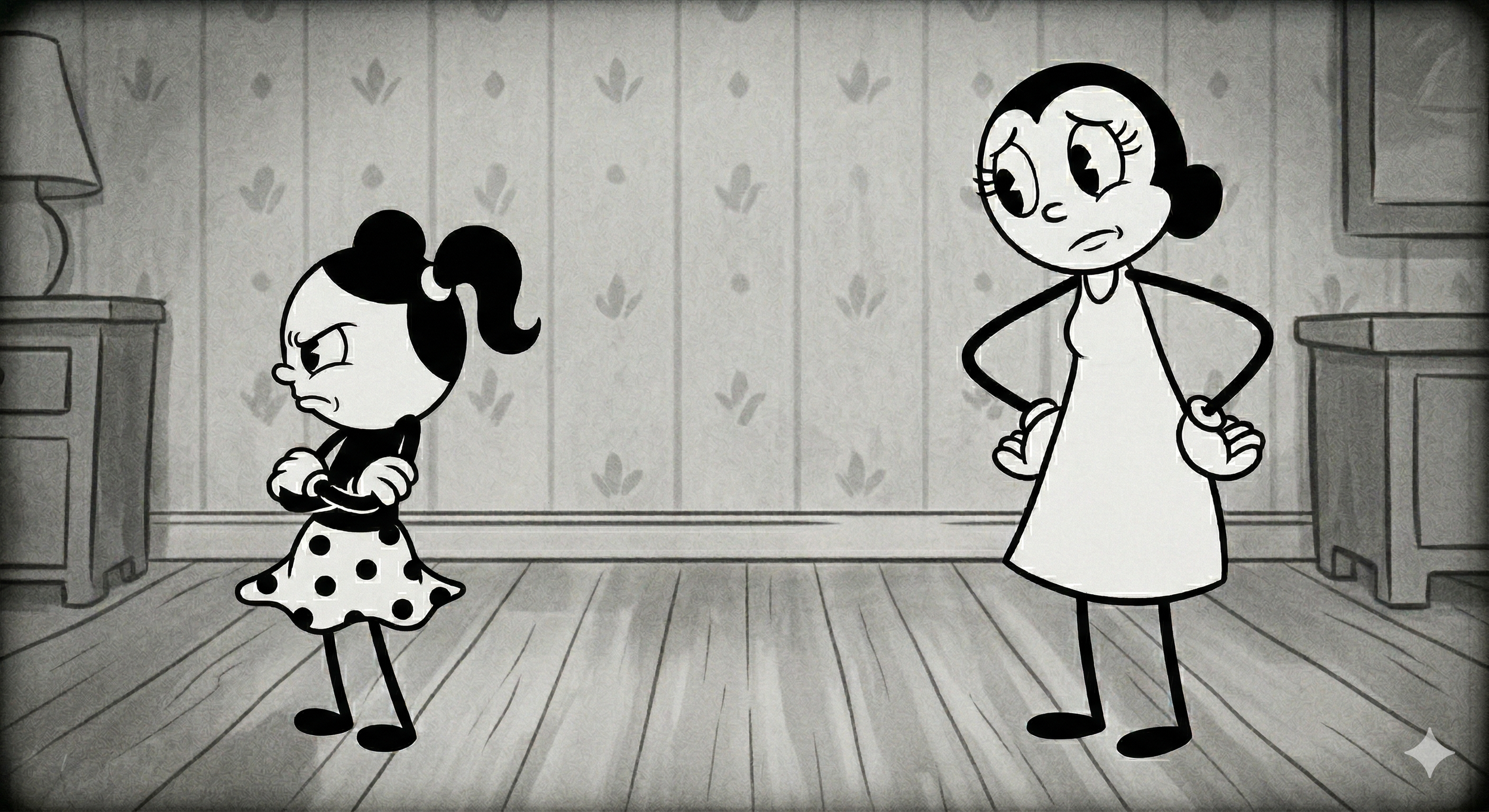
Pain has a way of moving through a family quietly at first.
It begins in one relationship. One moment. One unmet need. And often, it’s valid. It deserves to be acknowledged, not dismissed.
But when that pain isn’t processed, it doesn’t stay contained.
It expands.
In families—especially those that have already experienced strain or dysfunction—one person’s pain can begin to shape the emotional climate for everyone else. Not always intentionally. Not always consciously. But powerfully.
Sometimes, that shaping takes on a subtle but significant form.
One person’s experience begins to carry more emotional weight than the others. Their hurt becomes more visible, more vocal, more consistent. And over time, the family starts to orient around it.
Not necessarily because everyone shares the same experience—but because pain has a way of organizing people around it.
Children take on roles that weren’t designed for them to fillll. Parents take on juvenile positions forcing children to assume responsibilities not meant for innocence. Siblings may begin to feel that closeness requires alignment. That maintaining connection means seeing things the same way. That having a different experience might create tension or distance.
And slowly, individual relationships lose their independence.
What was once multiple connections—each with its own history, tone, and meaning—can begin to collapse into a single narrative.
What began as one relationship starts to define them all.
And I can say that with certainty—because I’ve been part of that pattern.
There was a time when I was still carrying my own pain as a child, and I didn’t leave it behind when I became a mother. I brought it with me. I reacted from it. I spoke from it. I interpreted my children’s needs through it.
I was parenting—but part of me was still that hurt child.
That matters more than people realize.
Because children don’t just experience what we say—they experience the emotional lens we bring into the room. And when that lens is shaped by unresolved pain, it influences everything: tone, reactions, expectations, even silence.
So my pain didn’t stay contained within me.
It shaped my family.
And over time, I can see how it didn’t stop there. It moved forward. It showed up in dynamics, in tension, in the way hurt was expressed and carried.
Which is why, when I see someone speaking consistently from a place of pain—reacting, holding onto it, defining themselves through it—I don’t stand outside of that dynamic and judge it.
I recognize it.
Because I’ve lived it from the inside out.
There was a time in my own life where I carried anger toward my mother in much the same way. I had expectations she couldn’t meet, and instead of understanding that, I built an identity around the disappointment. I held onto it. I spoke from it. I justified it.
There was also someone in my life who became a place of refuge—someone who, intentionally or not, reinforced how I felt and widened the distance between my mother and me. At the time, it felt like support. In hindsight, it also made it easier to stay anchored in my anger.
I wasn’t kind. I said things that carried more weight than I understood. I believed I was right.
And then life did what it tends to do.
It brought me into the very role I had judged so harshly.
Not in the exact same way—but enough that I had to confront something uncomfortable: being a parent is more complex than it looks from the outside. The things I once saw as failure, I began to understand as limitation, struggle, and human imperfection.
That shift didn’t erase what happened.
But it gave me perspective.
It replaced blame with understanding.
And now, watching similar dynamics unfold again, I don’t just see conflict.
I see pattern.
I see how pain can become identity.
How identity can become influence.
And how influence can begin to shape an entire family.
There’s a tension that comes with this kind of awareness—especially as a parent.
Because when you’ve lived the pattern, you don’t just see what’s happening.
You recognize where it can lead.
And that recognition can feel heavy.
Not because you want to control the outcome—but because you remember how hard the road was. You remember what it cost you to learn what you now understand.
So the instinct isn’t to point fingers or predict someone else’s future.
It’s to share perspective.
To say, quietly and without force: I’ve been here before. I know what this feels like from the inside. And I also know where it can take you if it goes unexamined.
That kind of awareness doesn’t come from superiority.
It comes from experience.
And experience, when it’s been reflected on honestly, turns into something else entirely.
It becomes wisdom.
But wisdom has a limit—it can be offered, not imposed.
No one can force another person to see something before they’re ready. No one can hand someone clarity and expect them to hold onto it if they’re not there yet.
So the role shifts.
From correcting… to allowing.
From warning… to witnessing.
From controlling… to holding steady in what you now understand.
Because the goal isn’t to stop someone from walking their path.
It’s to make sure that when they’re ready to question it, there is something real, grounded, and honest waiting for them on the other side.
Not blame.
Not “I told you so.”
Just understanding.