
The Most Underrated Glow-Up Isn’t What You Think
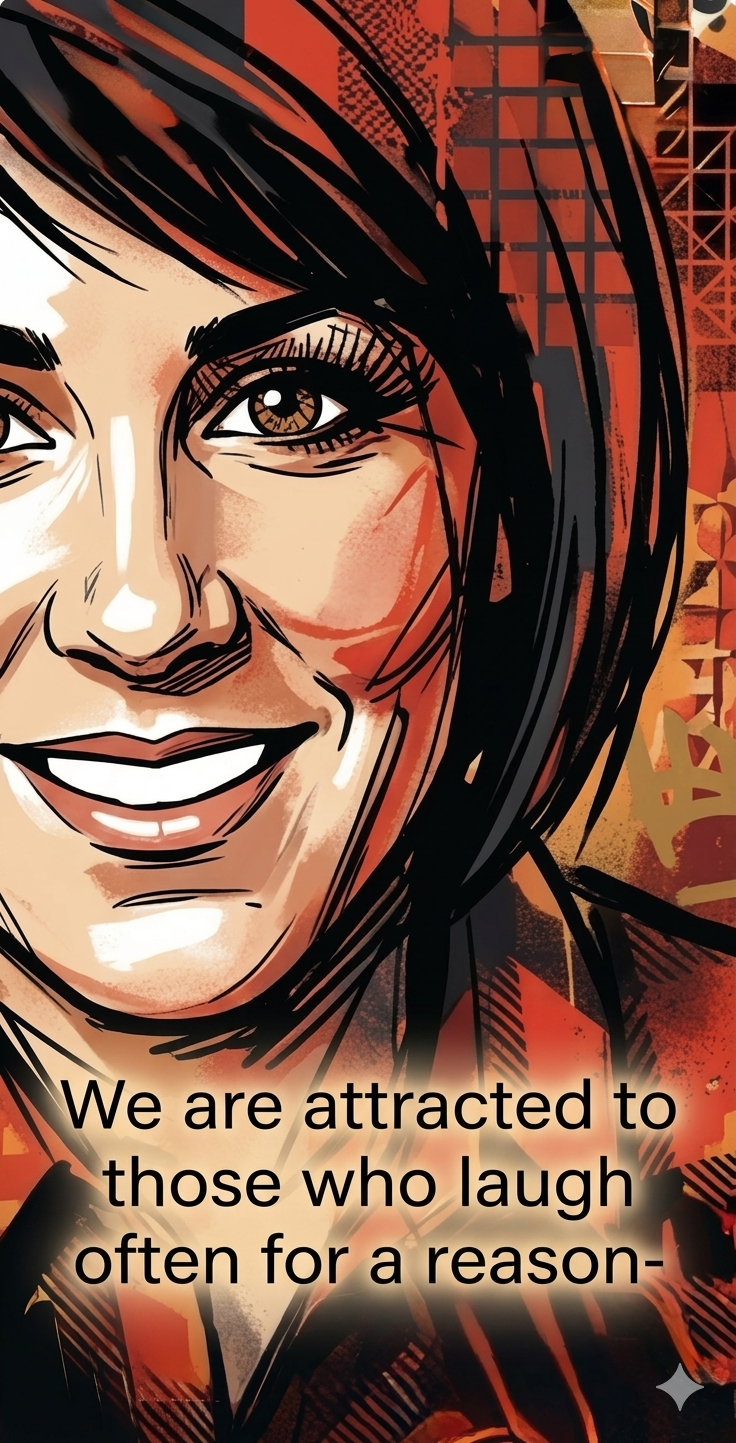
We have been taught to associate transformation with appearance.
Better skin. Better style. A more polished version of who we already are.
But what people actually remember about you has very little to do with any of that.
They remember how they felt in your presence.
And a genuine smile plays a bigger role in that than most people realize.
Connection Happens Automatically
A real smile—the kind that reaches your eyes—doesn’t just express emotion. It creates it.
When someone sees it, their brain responds almost instantly. Through mirror neurons, their expression subtly reflects yours, triggering small releases of dopamine and serotonin.
It’s not dramatic. It’s not obvious.
But it’s enough to shift a moment.
Your presence becomes something people feel, not just observe.
We Assign Meaning Without Thinking
There’s a cognitive shortcut at play here—what psychologists call the halo effect.
One visible trait shapes the entire impression.
A genuine smile doesn’t just read as “happy.” It quietly communicates:
safety
openness
ease
trust
These are the qualities people move toward instinctively.
Not perfection. Not performance. Just something that feels real.
Authenticity Is What Stands Out Now
There’s a subtle pressure to appear unaffected—to look composed, detached, unbothered.
But in reality, that kind of emotional distance creates more space between people, not connection.
A genuine smile does the opposite.
It signals presence. It lowers tension. It makes interaction easier without effort.
And it only works when it’s real.
People can sense the difference between something expressed and something performed. One invites connection. The other keeps it at a distance.
The Bottom Line
This isn’t about pretending to feel something you don’t.
It’s about recognizing that small, honest expressions carry more influence than we tend to give them credit for.
A smile won’t change everything.
But it can change a moment.
And moments—quietly, consistently—shape how we experience each other.